-1.png?width=1200&height=312&name=Unilink%20-%20full%20colour%20with%20strapline%20(1)-1.png "Unilink")
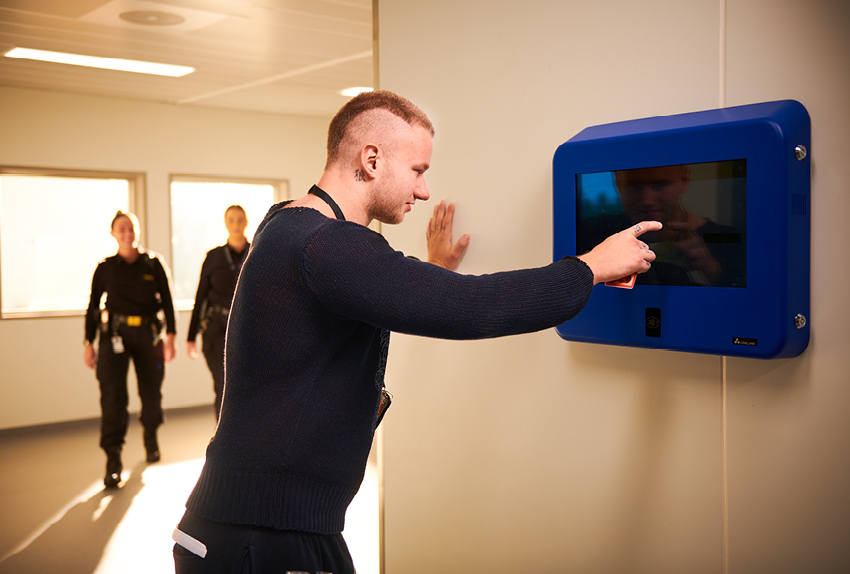
Kiosk Express System
Driving Operational Efficiency in South Australia's Prisons
8 correctional facilities currently live
3300 prisoners now using Kiosk Express System
The Challenge
To strengthen operational efficiency and reduce reliance on manual, paper-based processes, DCS identified the need for a modern, scalable technology solution.
DCS’s Chief Executive, David Brown, explained the need for change:
“Self-Service kiosks were introduced because of the need to improve efficiency and free up staff time for more meaningful interactions – supporting work programmes, case management and day-to-day needs.
We wanted to move away from paper-based systems that caused frustrations for both prisoners and staff.
This technology offers a clear opportunity to improve the prisoner environment.”
South Australia’s Department
for Correctional Services
(DCS) is committed to
managing offenders safely and humanely while supporting sustainable rehabilitation and reintegration.
The Solution
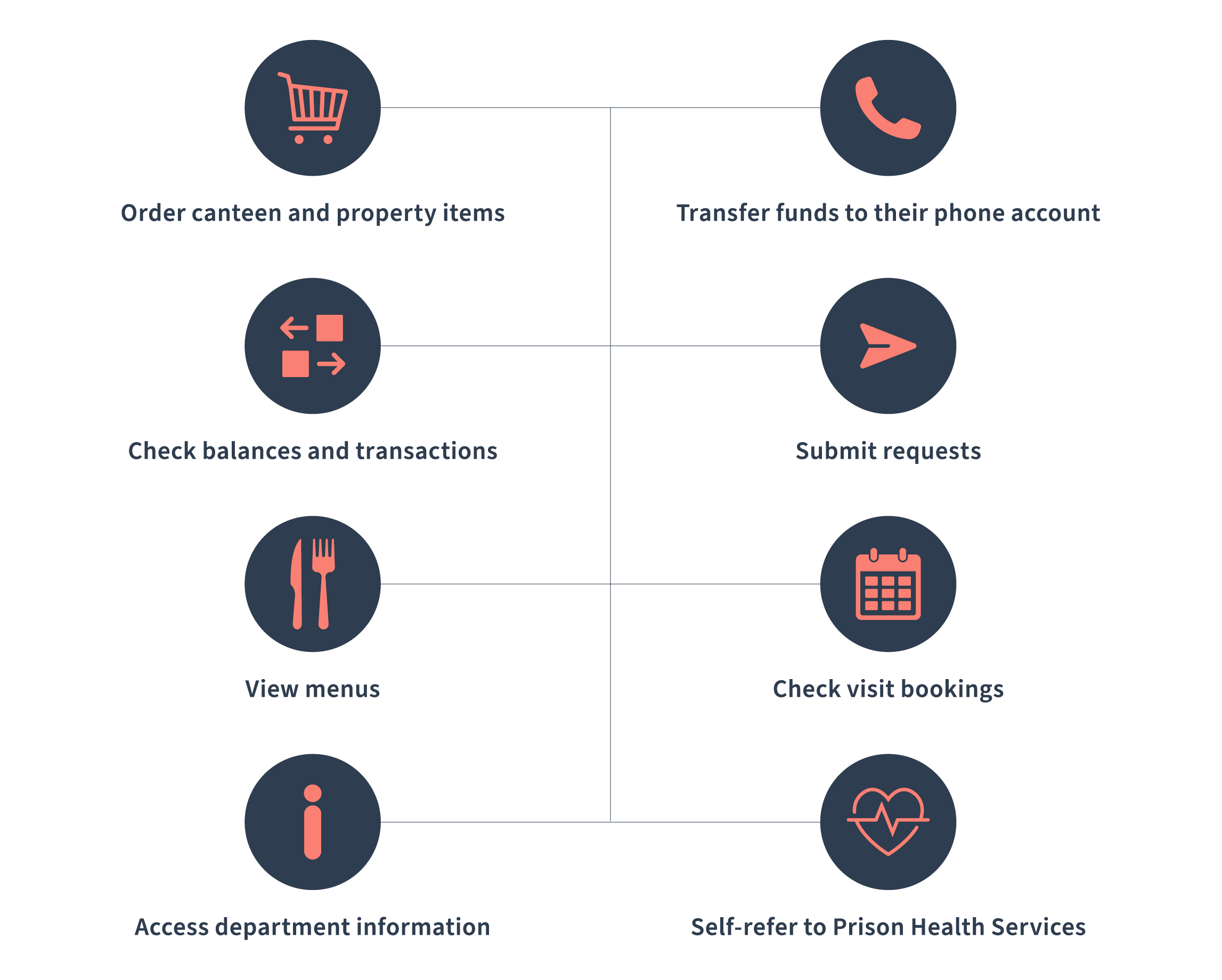
In 2016, DCS implemented Unilink’s Kiosk Express System (KEX) [Prisoner Self-Service] across all South Australian correctional facilities, enabling prisoners to independently manage routine tasks through secure digital kiosks.
Prisoners can use the kiosks to:
The Implementation
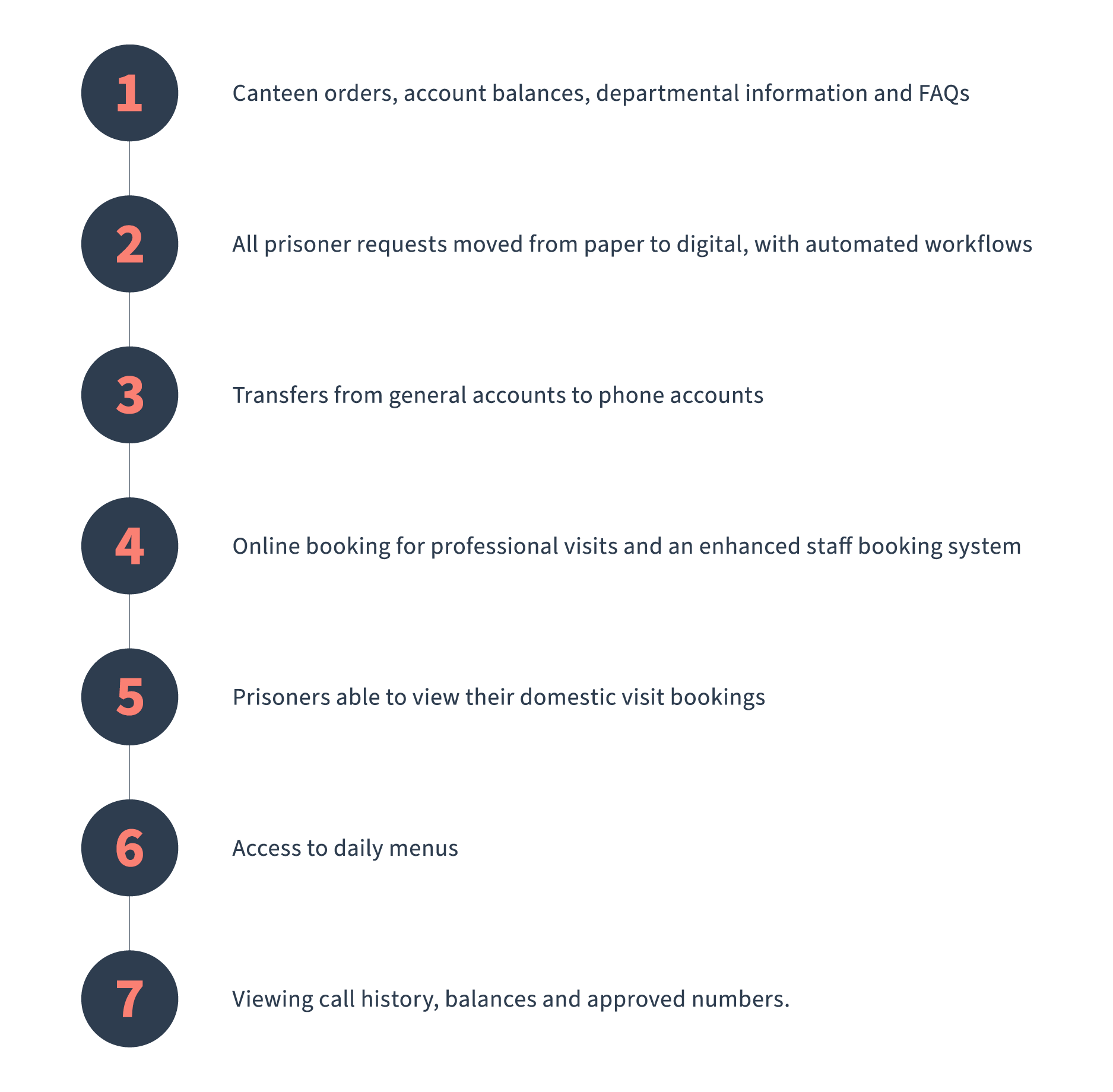
The implementation followed a structured, multi-stage plan to ensure that each site was fully optimised before moving onto a wider rollout, and to ensure consistent adoption across all sites. Project Manager, Carol Zulian, noted:
“A phased approach helped us to refine the system and ensure smooth adoption before moving on to the next facility.”
The seven implementation phases included:
Safety
The kiosks were designed for durability and resilience, using 12mm toughened glass and reinforced steel construction techniques.
Carol explained:
"During an incident at a high-security facility, a kiosk withstood repeated blows from a fire extinguisher, sustaining only minor dents. We were extremely impressed with the build quality.”
Security
Security was a central priority. Robust biometric access combines a PIN with fingerprint verification and significant work went into creating a secure prisoner network that would withstand data breaches.
Carol commented:
“This technology helps to normalise everyday IT use which is particularly valuable for long-term prisoners who may never have used something as simple as an ATM.”
Impact on Prisoners
Case Management Coordinator, Sashi Cheliah, described how the kiosks have supported increased independence:
“Prisoners can check balances, track purchases and choose items easily, using pictures if they have low literacy. They no longer need to rely on staff for basic information.”
Impact on Staff
For staff, the benefits are equally clear. Automated routing of routine requests has reduced unnecessary administrative burdens and lowered tensions among prisoners.
Carol explained:
“Requests go straight to the right area, reducing delays and frustration. It frees staff to focus on prisoner management, rehabilitation and security. It also gives us a clear audit trail for monitoring requests.”
Future Developments
David Brown sees the programme as a foundation for broader digital transformation and reform in the future:
“Based on the success of this platform, we’re now exploring ways to expand prisoner education and vocational training across the system, and to connect with external education providers for even further impact.”
Efficiency in Action
Time Saving
The Centre for Social Justice’s 2021 report, Digital Technology in Prisons, reviewed trials of in-cell and kiosk-based technology and found that:
-
Introducing in-cell technology - such as phones, laptops, and tablets - that automate applications and booking processes saves an average of 91 staff hours per week, equivalent to the workload of two full-time prison officers.
-
This adoption led to an 82% reduction in administrative follow-ups and overall staff workload.
- Staff also reported positive experiences, noting they had more time to focus on meaningful activities, including supervision and rehabilitation.
These findings are supported by Unilink’s own data from deployments across more than 100 UK establishments. With over 2.5 billion transactions processed, the data shows that automating routine tasks can save up to 100 staff hours per week per institution - equivalent to 2–3 full-time staff roles.
Cost Saving
Based on the time saved, it’s possible to calculate how much cost-saving Unilink Self-Service provides:
-
If a prison has, for example, 100 staff working on administrative / support / case-management tasks, then saving 100 hours per week will free up approximately 2.5 full-time equivalent posts.
-
Cost savings also arise from a reduction in error rates, delays, physical paperwork (including filing, storage, and printing), etc.
-
Savings can also be made on reduced overtime, fewer sick days and lower staff turnover
Let's Build Better Justice
Partner with Unilink to shape the future of secure, fair, and effective justice systems.
Whether you are looking to explore our solutions, request a demonstration, or access our full library of case studies, we are here to help.
For more information about the Kiosk Express System (KEX) [Prisoner Self-Service], or to learn more about how Unilink can support your organisation, please contact us.